
When Should You Replace an Older Water Heater?
One of the most common questions homeowners ask is, “How old is too old for a water heater?” Even when a water heater looks perfectly fine on the outside, its internal components can wear out over time, increasing the risk of leaks or sudden failure.
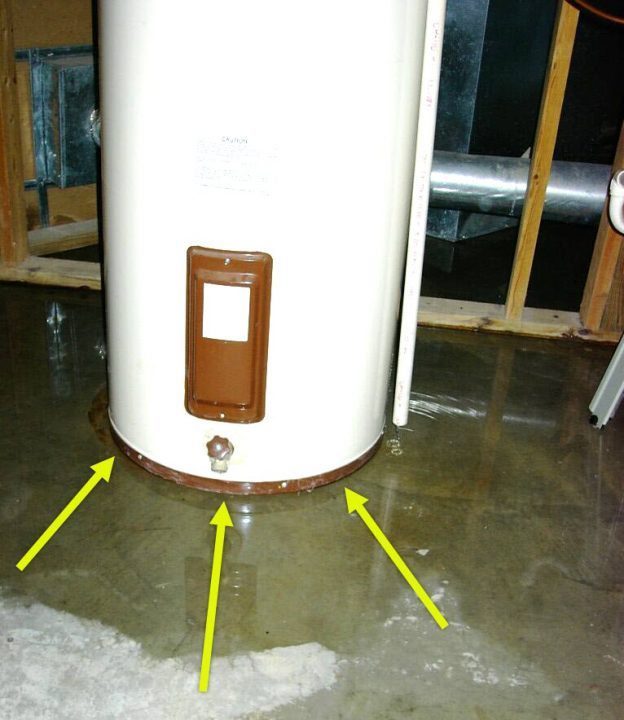
The first step is determining the unit’s age. Some manufacturers clearly print the installation or manufacture date on the label, while others use serial numbers that require decoding. Knowing the age of your water heater can help you make informed decisions before problems occur.
Most residential water heaters come with a 10-year manufacturer’s warranty, which provides a good indication of their expected service life. While some units may last longer with proper maintenance, the average lifespan is typically 10 to 12 years. As a water heater ages, the risk of internal corrosion, tank failure, and unexpected leaks increases.
A failing water heater can cause much more than the inconvenience of losing hot water. A leaking or ruptured tank can flood living spaces, resulting in thousands of dollars in water damage. For this reason, many homeowners choose to replace their water heater proactively once it reaches the 10- to 12-year mark rather than waiting for it to fail.
Replacing a standard residential water heater in the Sarasota area typically costs around $1,000, depending on the model and installation requirements. Although regular maintenance—such as flushing sediment and replacing the anode rod—can help extend its lifespan, no amount of maintenance can prevent every age-related failure.
If your water heater is located inside the home’s living area, installing it in a properly drained overflow pan provides additional protection in the event of a leak. Some condominium associations even require water heaters to be replaced every 6 to 8 years to reduce the risk of water damage affecting neighboring units.
A professional home inspection can help determine the approximate age and visible condition of your water heater, allowing you to plan for replacement before an unexpected failure occurs.